Mpox testing
When should I get tested for mpox?
You should get tested for mpox if you have either of the following symptoms:
- Any new lesions, skin changes, spots or rashes. (Make sure to look out for lesions on your genitals or around your anus where they may be less visible).
- Pain, discomfort, or bleeding in your butt.
If you have any other symptoms, make sure you isolate at home and seek health advice.
How do I get tested for mpox?
If you think you are displaying mpox symptoms, or if you have been asked to test for mpox by a public health official, this can be done at any sexual health clinic free of charge (which also applies to international students, seasonal workers and visitors).
You can also get tested at your GP, after-hours, or urgent-care clinic, however you will likely still be required to pay the standard consultation fee.
What should I expect when I'm tested for mpox?
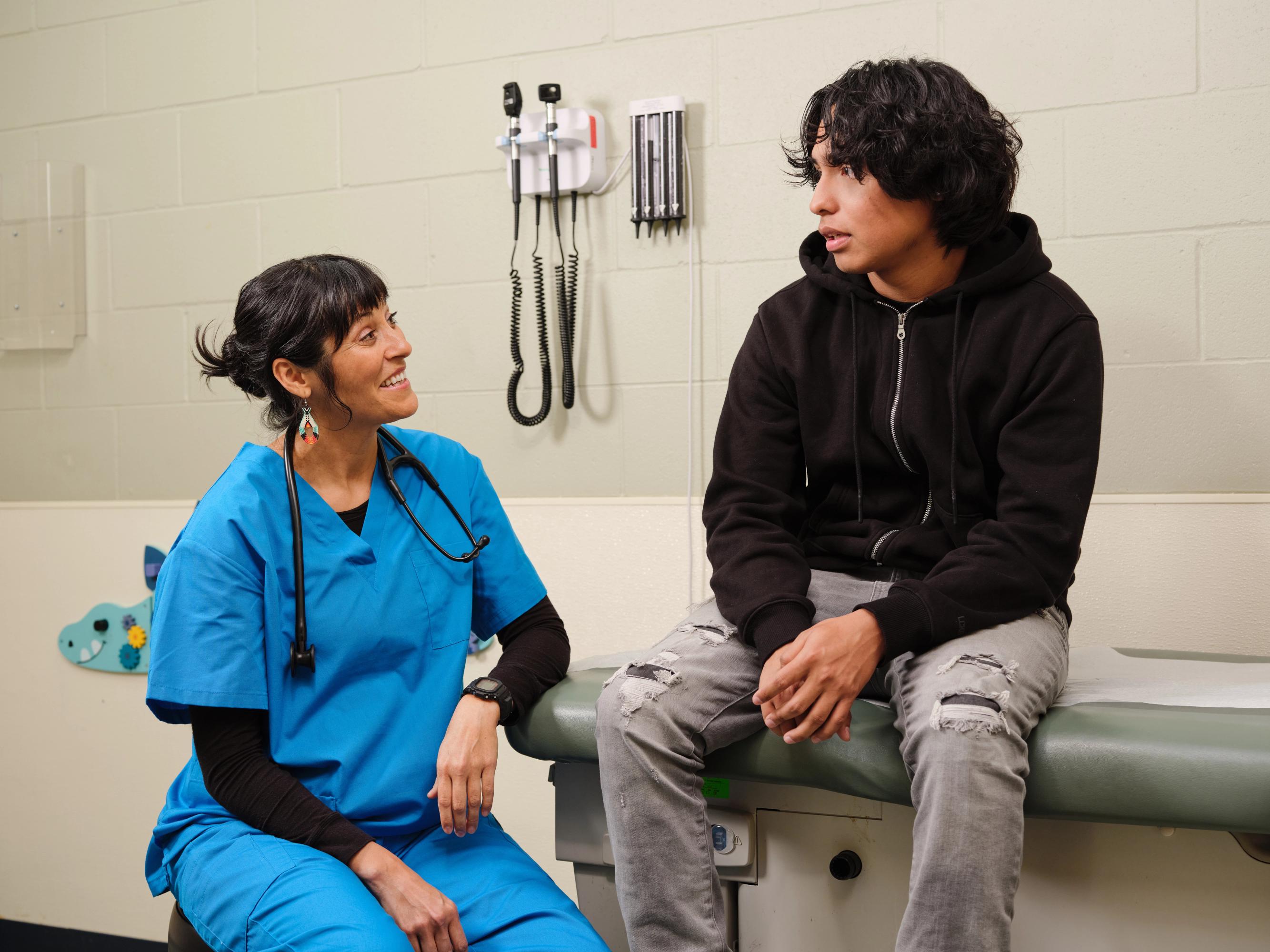
Health providers will wear PPE (personal protective equipment) when they test to avoid transmission while taking the sample. You may also be asked to wear a mask.
A sample will usually be taken from one or more lesions. Your clinician may gently remove the surface of a lesion to collect fluid. Depending on your symptoms, they may also take a throat or rectal swab, or occasionally a blood sample.
These procedures will all be done as carefully and as quickly as possible, and there should only be some or no discomfort at all.
The sample swabs are then sent to a lab, where they’re tested. Suspected mpox tests are given priority, so you should find out your result as soon as possible.
Isolation while awaiting mpox test results
You are now no longer automatically required to isolate while awaiting testing results for mpox. When you get tested, your clinician will conduct a risk assessment based on your symptoms and recent whereabouts and contacts.
You will now only have to isolate if:
- You have had sexual or intimate contact with a known case or have recently attended somewhere like a sex on site venue.
- You have lesions in your mouth.
- You have lesions that you can’t easily cover up e.g. on your face or hands.
- You have cold or flu symptoms.
- You are immunocompromised.
You will still need to do the following while you wait for your result:
- Refrain from sexual or intimate activities.
- Let healthcare settings know you are awaiting mpox testing results before you arrive.
- Avoid face-to-face contact with anyone at high risk of serious disease from mpox.
Are you a close contact?
- Look out for symptoms for 21 days from the date of your exposure.
- Avoid intimate/sexual contact for the 21-day period.
- If you develop any symptoms during this period, you should stay home, self-isolate, and contact Te Whatu Ora for advice, and to arrange testing and medical care. You should be contacted regularly by a Te Whatu Ora health professional to check in on how you are feeling.