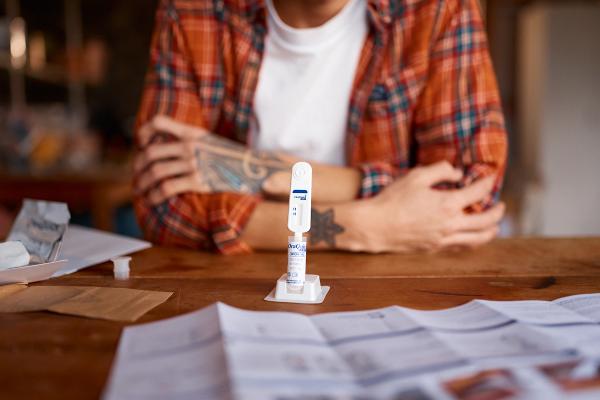
HIV and STI’s
HIV and STIs aren’t just medical issues - they’re part of how we navigate sex, relationships and looking after ourselves and each other.
Explore information about HIV, common STIs, testing, prevention, treatment and the HIV epidemic in Aotearoa New Zealand, along with tools and resources to support informed sexual health decisions.

HIV
HIV (Human Immunodeficiency Virus) is a virus that affects the immune system by targeting the cells that help the body fight infection. While there is currently no cure for HIV, modern treatment is highly effective. People living with HIV who are on treatment can live long, healthy lives and cannot pass HIV on sexually once they reach an undetectable viral load (U=U).
HIV can only be transmitted in specific ways, including condomless anal or vaginal sex, sharing injecting equipment, and from parent to child during pregnancy, birth or breastfeeding. It is not spread through casual contact like hugging, kissing, sharing food or living together.
Learn more about how HIV works, testing, prevention options like condoms and PrEP, treatment, and what happens after a diagnosis.

HIV in Aotearoa
Aotearoa New Zealand continues to make progress towards reducing new HIV transmissions, thanks to prevention strategies, increased testing and effective treatment. However, HIV still disproportionately affects some communities, particularly gay, bisexual and other men who have sex with men (MSM), Māori and Pasifika MSM, as well as some migrant communities.
This section looks at the current HIV epidemic in Aotearoa, including the latest diagnosis data, trends in local transmission, and information about how HIV impacts different communities. You’ll also find information about stigma, migration, AIDS in Aotearoa, and why regular testing remains so important.
Knowing what’s happening in our communities helps us respond better, support each other, and keep driving new HIV transmissions down.

HIV risk calculator
If you’re worried about a sexual encounter or want to better understand your HIV risk, our HIV Risk Calculator can help.
Answer a few questions about what happened, and we’ll help you understand whether there may have been a risk of HIV transmission, and what steps you might want to take next. Depending on the situation, that could include testing, starting PrEP, or accessing PEP if you’ve been exposed within the last 72 hours.
It’s important to remember that HIV can only be transmitted in specific situations, and many everyday interactions carry no risk at all. The calculator is designed to provide practical, evidence-based information to help you make informed decisions about your sexual health.
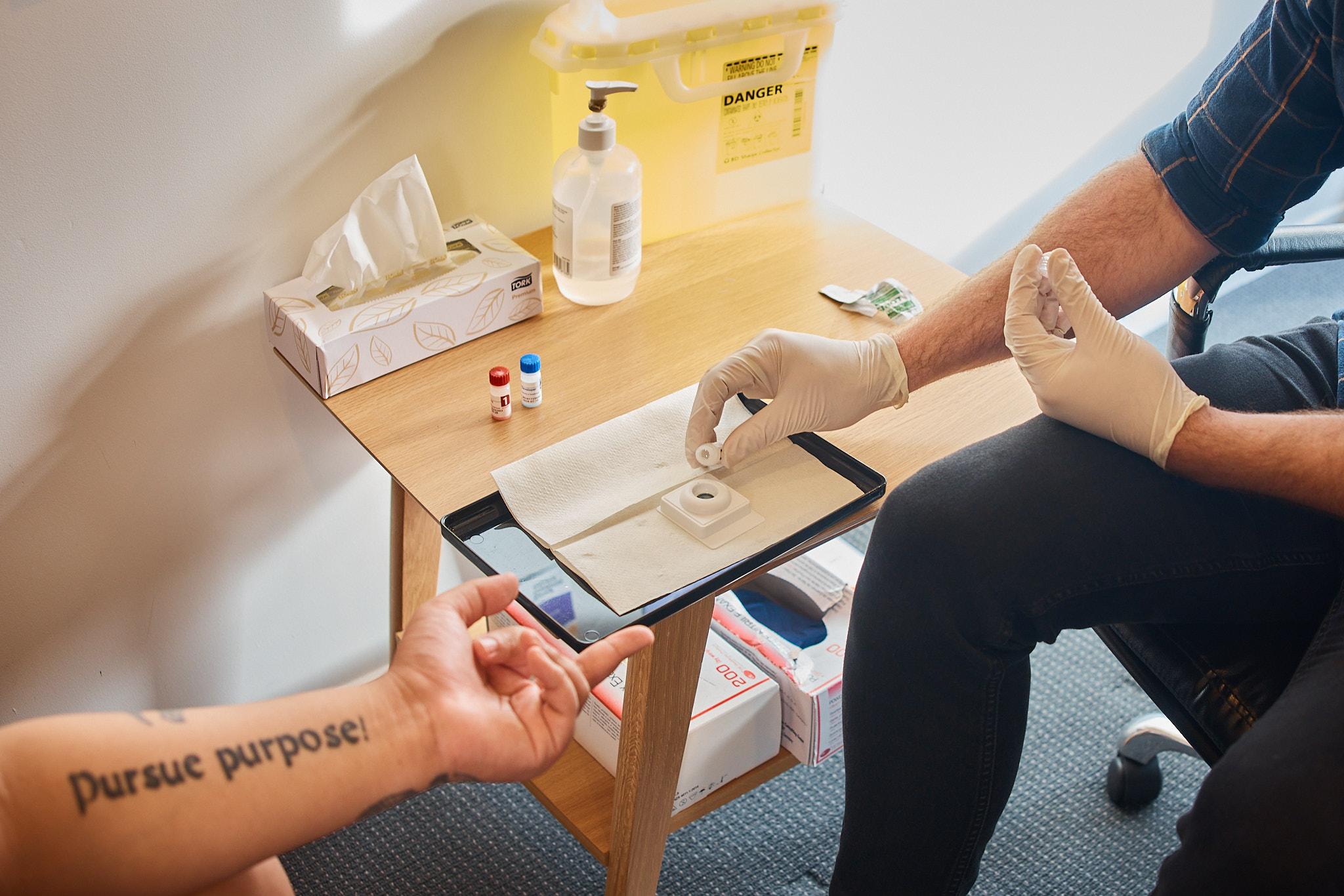
STIs
Sexually transmitted infections (STIs) are very common, and many people will experience one at some point in their lives. Some STIs cause noticeable symptoms, while others may have no symptoms at all, which is why regular testing is an important part of maintaining good sexual health.
Unlike HIV, some STIs can be transmitted through oral sex, saliva and skin-to-skin contact. Learn about common STIs, how they’re passed on, the symptoms they can cause, and the testing and treatment options available.
There is no shame in getting an STI. Regular testing, honest conversations with partners, and access to condoms, lube and sexual health information all help reduce transmission and support healthier communities.
You’ll also find information about prevention methods such as DoxyPEP, and resources to help notify partners if needed.