Living with HIV
Everyone copes with and reacts differently to HIV. Your approach to work, relationships, socialising and living with HIV will be unique, and that is okay.
Living with HIV today is very different from what it was in the past. With effective treatment and support, people living with HIV can expect to live long, healthy and fulfilling lives.
This page brings together information about some of the practical and personal aspects of living with HIV.
Important info
This page provides general information about living with HIV - however, if you’ve been recently diagnosed with HIV, we have another page which may be more relevant for you.
Disclosure
Telling others about your diagnosis is easier if you have given yourself time to feel ready.You might be worried about telling others that you’re living with HIV.
You might be scared or anxious about what people’s reactions might be if you tell them.
There are no hard-and-fast rules about when, how and even if you tell the people in your life that you are living with HIV.
When deciding who to disclose to, you may wish to ask yourself:
- Will they offer me support?
- Will they respect my confidentiality?
- Will it help me if they know?
If the answer to any of these questions is no, the person you are considering telling may not be the best choice.
Try to find someone you feel sure will be supportive, non-judgmental, discreet and helpful.
A counsellor or peer support person may be able to help you make the best decision.
Once you have decided who to tell, you might find it useful to let them know who else you have told so that they can support each other, as well as you.

Relationships
Relationships can raise questions about disclosure, trust, intimacy and communication. As far as relationships go, the decision to tell or not to tell sexual partners is yours to make.
People living with HIV who disclose their HIV status to their sexual partners before having consensual sex avoid legal liability.
Sex when living with HIV
Learn about how to protect your partners from HIV



Stigma and discrimination
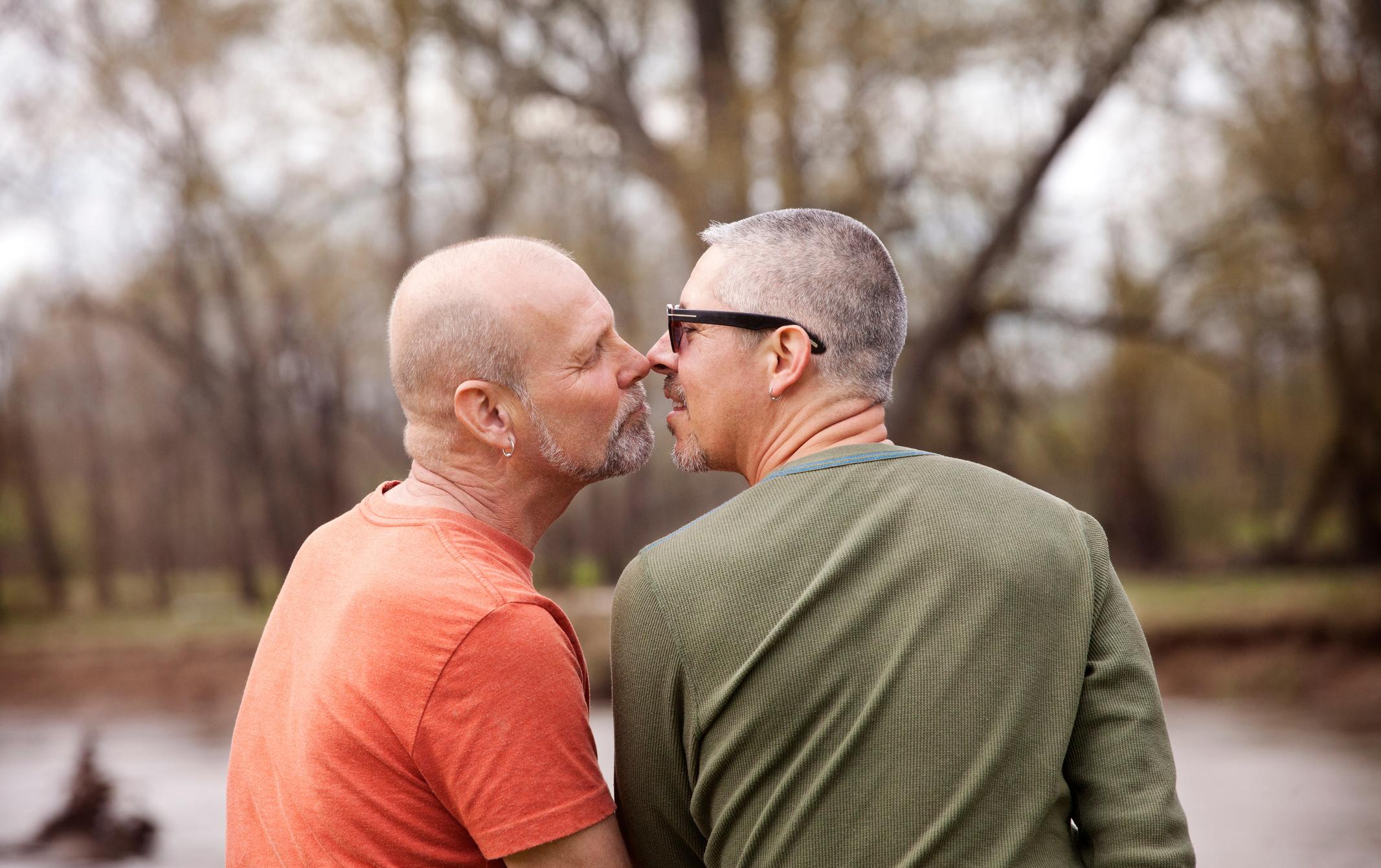
Unfortunately, stigma and discrimination can still affect people living with HIV. This may impact relationships, workplaces, healthcare settings and everyday life.
You are not alone, and support is available. There are also legal protections in Aotearoa to help protect people living with HIV from discrimination.
Pregnancy and childbirth
Many people living with HIV go on to have healthy, HIV-negative children.
There is a risk of mother-to-child transmission during pregnancy and childbirth, but with appropriate healthcare and treatment this risk can be greatly reduced.
Babies born to parents living with HIV who are receiving treatment and have an undetectable viral load have a greatly lowered risk of acquiring HIV.
Since 2007, there have been no children with perinatally-acquired HIV born in New Zealand.
Positive Women Inc. provides additional information about HIV and pregnancy.
Important info
Thinking about starting a family? Many people living with HIV go on to have HIV-negative children.
Sperm Positive provides information and support for people affected by HIV who are exploring fertility, pregnancy and family-building options.
Travelling
With a little planning, you’ll be able to avoid hassles while travelling.
You’ll need to carry your medication with you, so ask your doctor for a letter explaining that you need to take it regularly and that it’s for personal use.
Carry documents and medication in your hand luggage and have enough medication to last you the whole trip.
Some countries have entry restrictions for people living with HIV. Check before you travel, as some countries may deny entry or impose restrictions.
If you are travelling across time zones or taking long flights, discuss medication timing with your doctor beforehand.