Hepatitis C
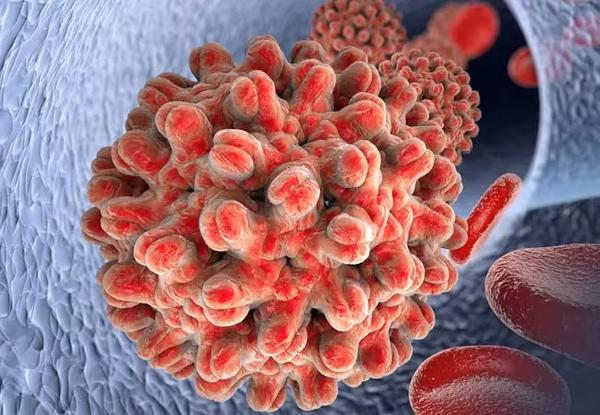
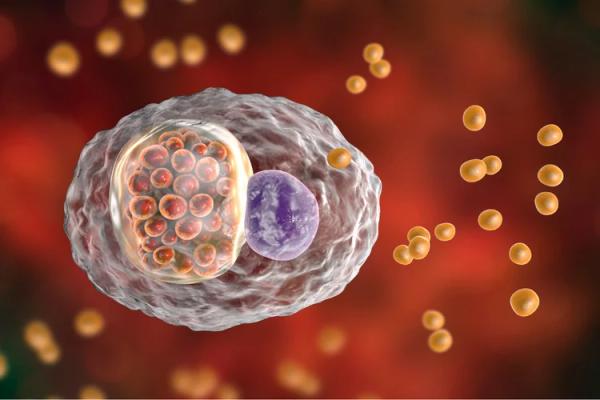
Hepatitis C is a viral infection that affects the liver and is primarily spread through blood-to-blood contact, including sharing injecting equipment. Many people have no symptoms for years, but effective treatments are now available that can cure most hepatitis C infections.
On this page
Symptoms
In the early stages of Hepatitis C, symptoms may be absent and they can take years after the initial infection to show up. If they are present, symptoms may include fatigue, nausea, pain under the ribs, sweating and intolerance of fatty diets.
75% of people infected with Hep C may carry the virus in their blood for life and 15% of these people may develop cirrhosis of the liver. A small number of people with cirrhosis may develop liver cancer or liver failure.
Transmission
The virus is spread by blood to blood contact. Most Hepatitis C is transmitted by sharing injecting equipment or other blood contact. However, there is now definitive evidence that it can be passed on during sex – and especially during group sex. It can also be transmitted when tiny amounts of blood are present on fingers, fists, toys or penises which are moved from one anus to the next without being cleaned.
Prevention
People who inject drugs and share equipment are at a high risk of contracting Hepatitis C. If injecting, do not share any equipment including spoons and tourniquets - remember the New Zealand Needle Exchange can help you access sterile injecting equipment, as well as dispose of used needles and syringes.
Wash your hands, dick and toys, and change condoms/gloves when changing partners during group sex.
For more information, you can go to the Hepatitis Foundation of New Zealand.
Treatment
There have been major developments in Hep C treatment and in most cases it can now be cured - there are funded treatment options available so make sure you speak to your doctor. Maintaining a healthy diet, reducing alcohol intake and cutting down on smoking can improve the body’s ability to cope with Hepatitis C.
Some important things to know
Co-infection with Hepatitis C and HIV is not uncommon. Talk to your specialist to discuss testing and treatment options if you are concerned you have symptoms or may have been exposed.