Steroids and image-enhancing drugs
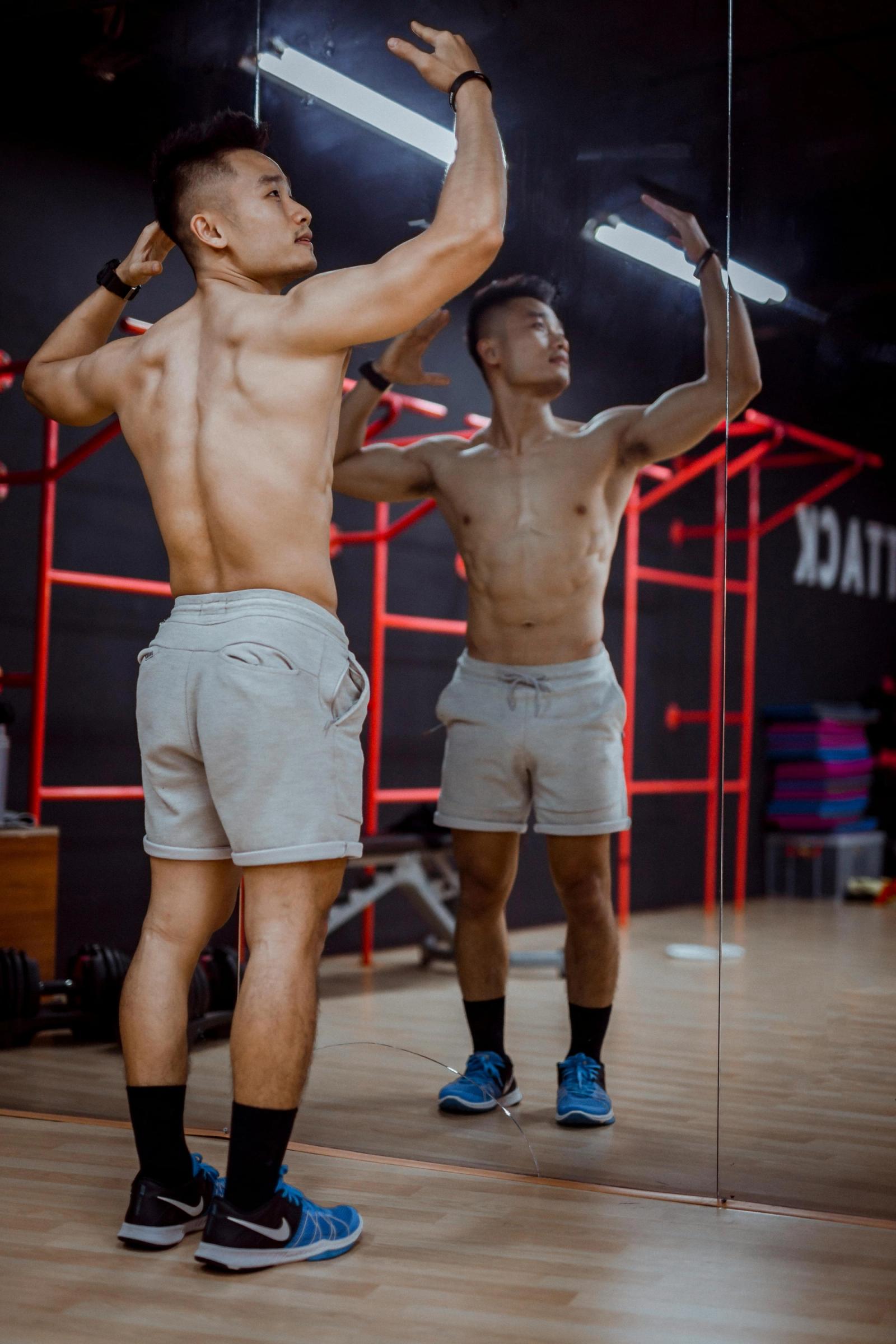
Bodies have always had a particular place in queer culture. Appearance can be tied to attraction, confidence, masculinity, gender expression, belonging and simply feeling at home in your own skin.
Fitness, sport and bodybuilding can be positive and rewarding parts of life. They can also exist alongside intense pressure to become bigger, leaner, stronger or more 'conventionally' (within a Western context) desirable.
This page explores anabolic steroids and other performance and image-enhancing drugs, often called PIEDs, alongside some of the body image pressures that shape their use.
Body image in queer communities
Many queer people experience pressure around appearance.
Body image concerns can affect anyone, but research has found higher rates of body dissatisfaction and body-changing behaviours among gay, bisexual and queer men than among heterosexual men.
These pressures are shaped by the messages people receive about masculinity, desirability, fitness, ageing, race and whose bodies are considered attractive.
Not everybody experiences these pressures in the same way. But for those that do, dating apps, social media, porn, gym culture and the manosphere can intensify these pressures by surrounding people with highly selected and edited bodies. Over time, comparison can become tied to confidence, sex, self-worth and a sense of belonging.
What are steroids and performance-enhancing drugs?
Performance and image-enhancing drugs (PIEDs) are substances people use to change their physical appearance, athletic performance, strength, recovery or body composition.
This can include:
- Anabolic-androgenic steroids (AAS)
- Testosterone
- Human growth hormone (HGH)
- Peptides
- SARMs (Selective Androgen Receptor Modulators)
- Drugs used to reduce body fat
- Other gym and bodybuilding substances
Some people use PIEDs in cycles, taking them for a set period before stopping, changing the dose or switching substances.
Some PIEDs are prescribed and used medically. Others are obtained through informal networks, gyms, online suppliers or underground labs.

Important info
Some of these substances, including testosterone and human growth hormone, also have legitimate medical uses. The risks and monitoring needs can be different when they are prescribed and clinically supervised.
Why do people use them?
People use steroids and other PIEDs for many different reasons. Some people want:
- Building muscle or reducing body fat
- Improving strength, performance or recovery
- Feeling more confident in social or sexual settings
- Developing a body that feels more masculine or personally affirming
- Feeling more attractive or accepted
For some people, steroid use is closely linked to body image concerns or feelings that their body is never quite muscular, lean or attractive enough.
This does not necessarily mean somebody has a body image disorder. However, it can still be useful to ask what is driving the change, how achievable the goal is, and how you expect to feel once you reach it.
A note on gender affirmation, masculinity and body modification
For some people, using steroids is partly about developing characteristics associated with masculinity, such as greater muscle mass, strength or a more traditionally masculine shape.
This has led some researchers and community members to discuss steroid use as a form of gender affirmation or body modification. That does not mean everyone who uses steroids understands their experience this way. Sport, appearance, confidence and performance may be more important motivations.
The comparison can still be useful. It reminds us that decisions about changing the body are shaped by gender norms, social acceptance and ideas about which forms of masculinity or femininity are considered desirable.
Risks and side effects
Steroids and other PIEDs can affect many parts of the body, and risks vary depending on the substance, dose, length of use and a person’s health.
Possible side effects include:
- Acne and changes to skin
- Hair loss
- Changes in sexual function
- Testicular shrinkage
- Fertility changes
- Mood changes and irritability
Potentially serious health risks include:
- High blood pressure and cholesterol changes
- Liver damage
- Heart disease and other cardiovascular complications
- Depression, paranoia or severe changes in mood
Research has also linked long-term anabolic steroid use to increased risks of heart disease and other cardiovascular complications. Potential psychological effects may include:
- Anxiety
- Mood changes
- Irritability
- Depression
- Increased risk-taking
- Paranoia
Experiences vary significantly between individuals, compounds and doses.
Harm reduction
If you use steroids or other PIEDs, regular health monitoring and safer injecting practices can reduce some of the risks:
- Be honest with a healthcare provider about what you are using
- Have regular blood tests and blood-pressure checks
- Monitor cholesterol, liver health and cardiovascular symptoms
- Avoid products when the contents or strength are uncertain
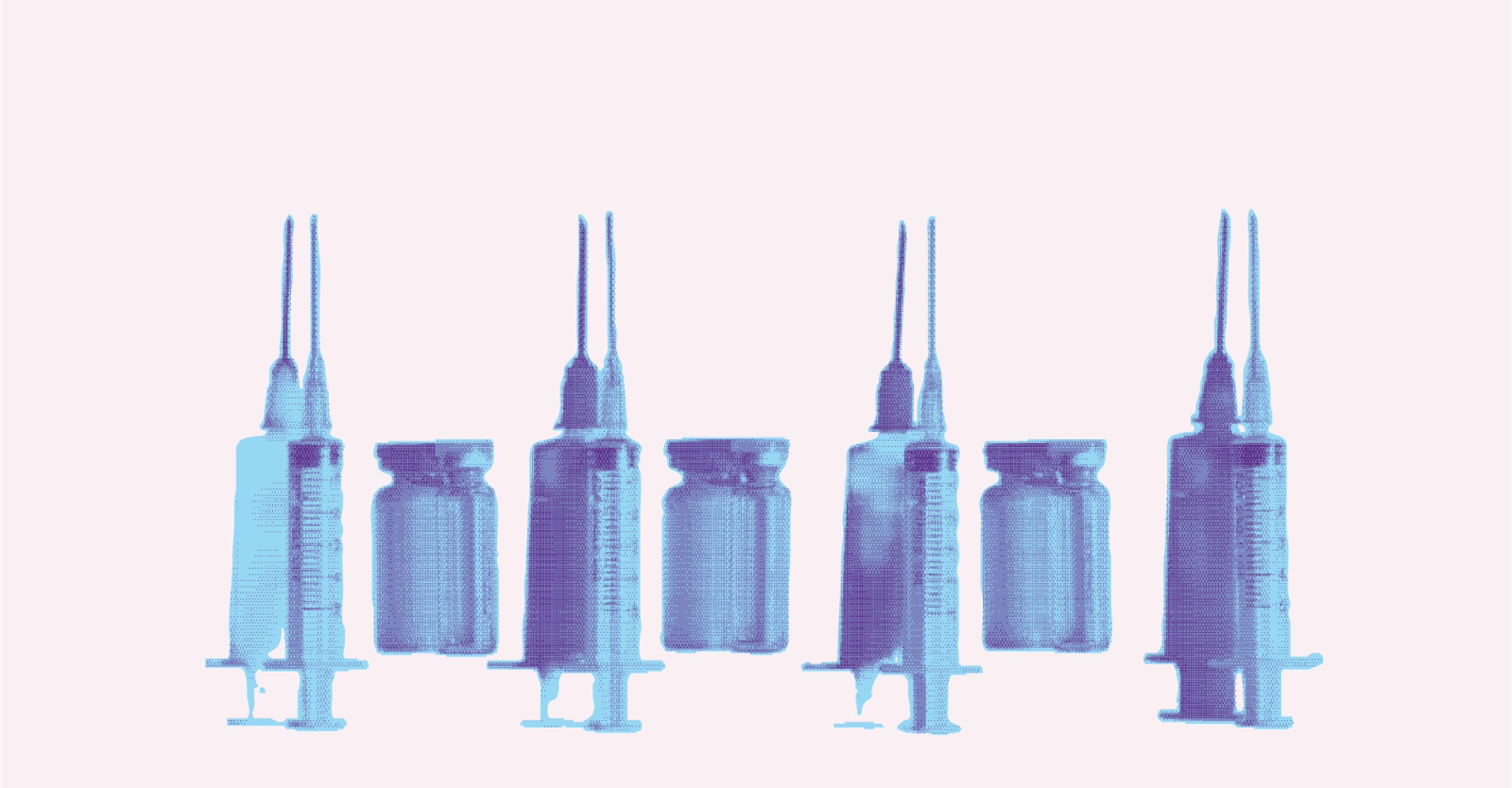
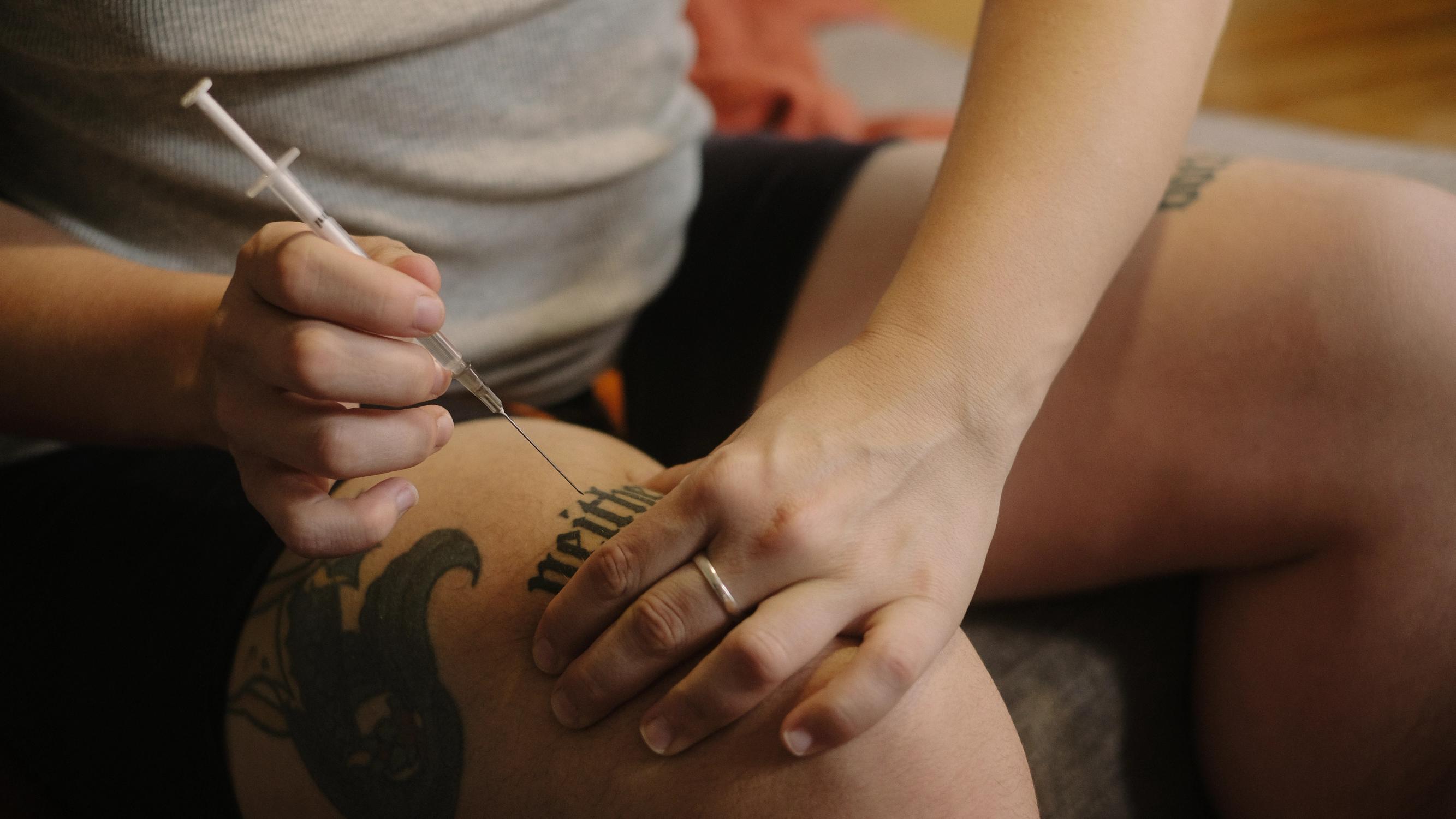
- Use new, sterile injecting equipment every time
- Never share needles, syringes or other injecting equipment
People who use PIEDs often share knowledge through gyms and community networks. Some of this information may be useful, but it cannot replace medical monitoring, and advice that is safe for one person may not be safe for another.
Learn more
If you inject steroids or other substances, sterile injecting equipment is available through needle exchange services across Aotearoa New Zealand, including our very own Te Toka Centre.
Body image and wellbeing
Body image includes how you see your appearance, how comfortable you feel in your body and the value you believe other people place on it.
For many queer people, body image can be complicated. Enjoying fitness or changing your body does not prevent you from questioning the pressure behind it. Pride in your progress can exist alongside comparison, insecurity or a desire for a healthier relationship with your appearance.
Support and further information
Consider talking to someone if concerns about your appearance are taking up a lot of mental space, affecting sex or relationships, or driving steroid use that no longer feels manageable.
For some people, support may involve:
- Understanding body image and comparison
- Building confidence that is less dependent on appearance
- Reviewing steroid use and health risks
- Reducing or stopping use
- Finding appropriate medical or mental health support
You do not need to wait until things feel severe. A conversation with a GP, counsellor or knowledgeable health professional can be a useful place to start.